
Equine
Pinworm problems: a pain in the backside!
A growing nuisance in Orkney. How pinworm works, how to spot it, and how to beat it.
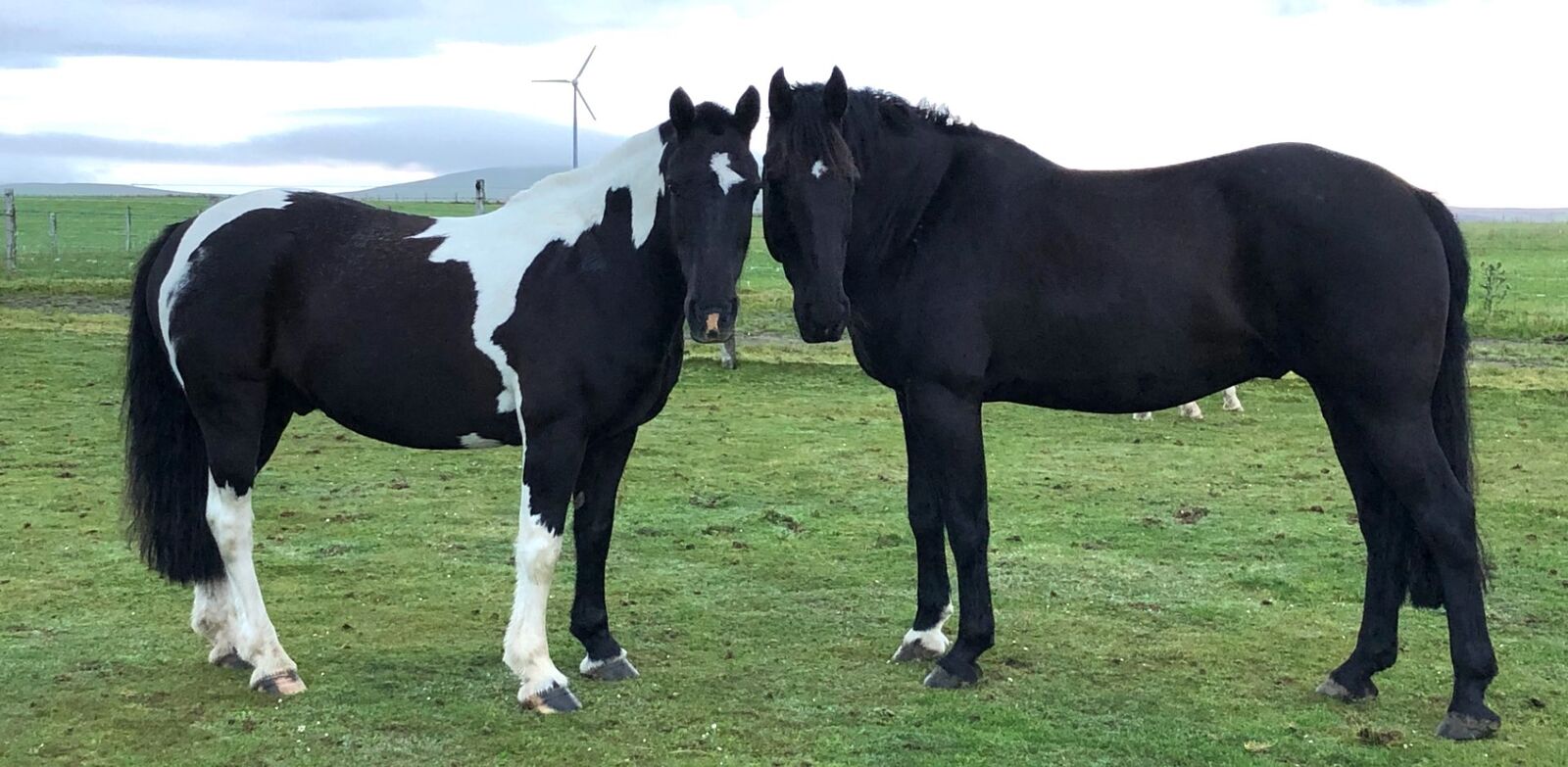
Oxyuris equi (pinworm) has seen a UK-wide increase in clinical cases recently and has become an issue in Orkney too.
The life cycle
The life cycle of this nuisance worm is "direct". The horse eats infective larvae while eating, grooming or licking itself or others, and from its surroundings where larvae have fallen or been rubbed off. These develop in the intestines over the next 3 to 5 months until the adult worms reach the rectum. Egg-laden females then protrude their tails through the anus to lay eggs in a mass of sticky fluid on the skin around the bottom. The eggs become infective in 3 to 5 days and drop off into the environment to complete the cycle. The "egg to egg" period is 3 to 5 months, which seems shorter than it used to be.
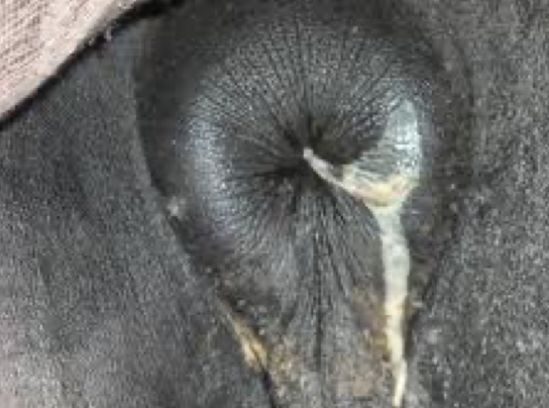
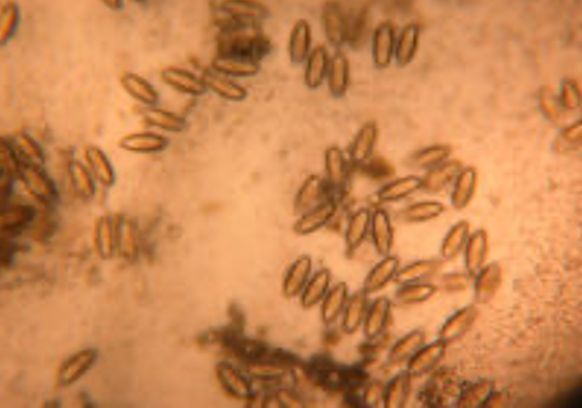
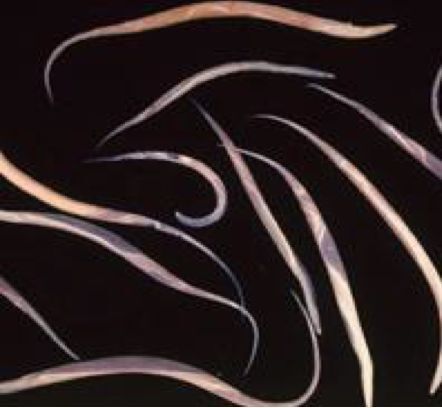
Pinworm infestation
Infestations may only involve a few adult worms. They are often more common in youngsters than in mature horses, which have better immunity, or older horses, which may have age-related immune problems. Larvae may cause low-grade irritation in the large bowel and the egg fluid can irritate the skin, but although a nuisance they are not usually life-threatening, unlike redworm or tapeworm.
Normal worm egg counts often miss pinworm eggs, because they are on the skin rather than in the faeces. Diagnosis is made by looking for egg deposits around the anus, either visibly or with sellotape applied to the skin and examined under a microscope. Tail rubbing is another obvious sign.
Where does the itch come from?
Some horses seem sensitive to the eggs or fluid on the skin and get irritated skin around the bottom, while others are unaffected.
Worming and cleaning
Some modern wormers are absorbed mainly in the small intestine and may not reach a high enough concentration in the large bowel to work on pinworms, or some resistance may be occurring. If your horses have a pinworm problem, a double dose of Strongid-P is more effective, repeated after 5 to 6 weeks.
Removing the eggs by cleaning your horse's bottom is the best way of controlling pinworm.
- Bathe around the anus, the surrounding skin and the dock with disposable materials such as sensitive baby wipes or wet cotton wool, then dry thoroughly to prevent chapping. Dispose of used wipes carefully.
- Because eggs become infective after 3 to 5 days, repeat every third day; if there is a problem, daily bathing is best.
- A dilute mild antiseptic can help irritated skin, and Vaseline after cleaning helps protect the skin and stop eggs sticking.
- Some horses need veterinary medicines to kill larvae and treat the irritation.
Because the eggs are sticky and resilient, removing them from the environment is extremely difficult. Keeping grooming tools clean and separate, and scrubbing stable walls and posts, can help prevent spread. See also worm control in horses.