
Skip to content

24 hour emergency service

01856 872859

News

News & advice from the practice

Seasonal health advice for pets, horses and livestock, and updates from the team.

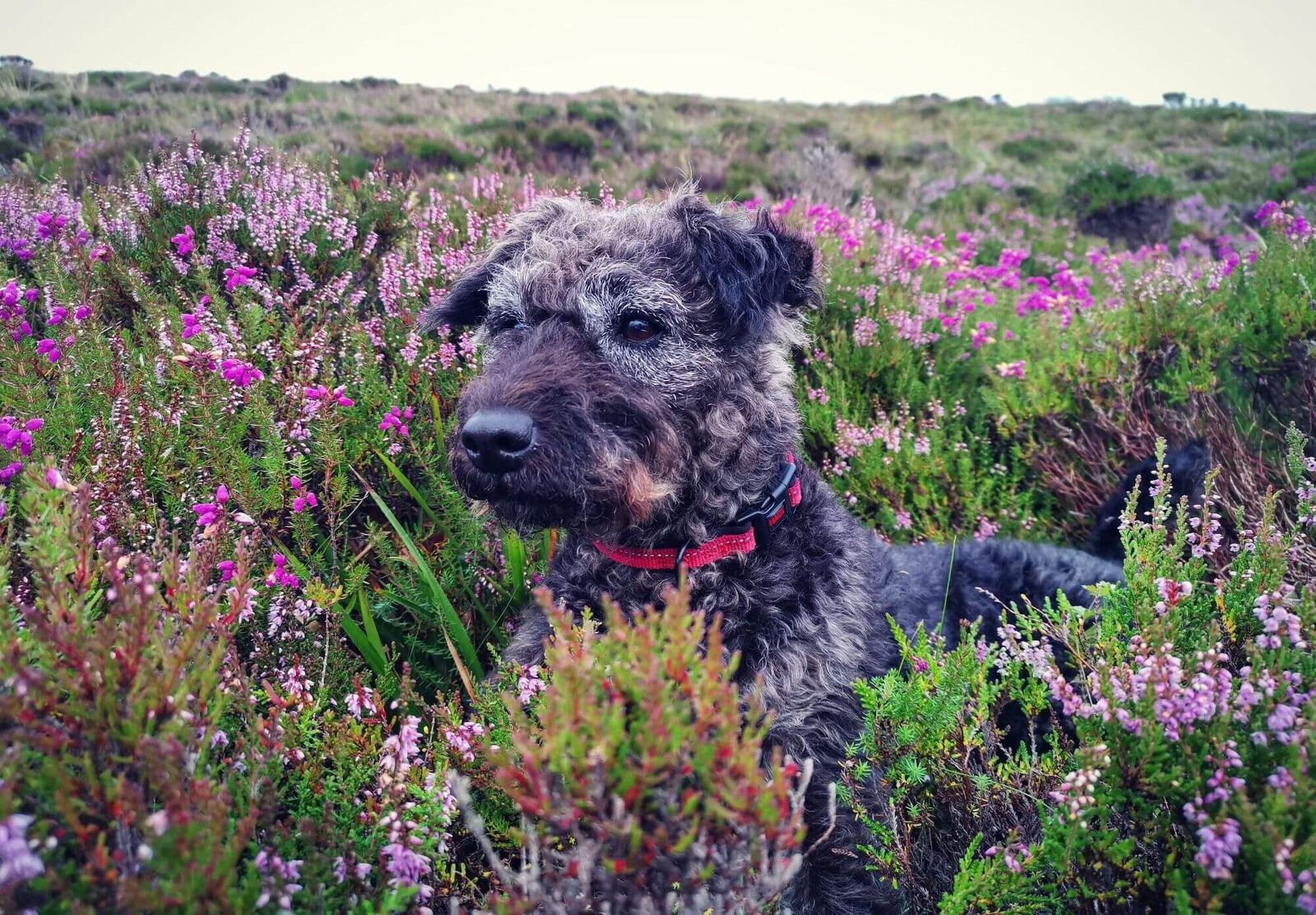
A dog resting in purple heather

· Small animal

House dust mites

These mites are very small, almost transparent arachnids (mites have 8 legs, like spiders). They eat dead skin flakes from both humans and pets. It is the dust mite droppings and dead body parts, rather than the live mites, that provoke an allergic reaction when inhaled or touched. Mites live in bedding, upholstered furniture, carpets, curtains, mattresses and pillows. Removing them completely is impossible, but these tips help reduce them. Mites also like warm, damp conditions, so reducing moulds helps too.

Tips to reduce house dust mites

  • Vacuum or dry-clean carpets, curtains and upholstery regularly, ideally with a vacuum cleaner fitted with a HEPA (high efficiency particulate air) filter.
  • Keep your pet outside while you vacuum and for a while afterwards, so dust can settle.
  • Avoid dry dusting; wipe surfaces regularly with a damp cloth instead.
  • Reduce clutter such as books, magazines and ornaments.
  • Reduce soft furnishings, for example hard floors instead of carpets and leather instead of upholstered furniture.
  • Wash your pet's bedding and stuffed toys regularly above 60°C, or freeze them for 24 hours to kill the mites, then wash at a lower temperature to remove dead mites and droppings.
  • Use allergen-proof pet bedding if possible.
  • Limit your pet to one room or area of the house, and keep them out of bedrooms, which are dust mite hot spots.
  • Environmental sprays are available for treating surfaces in your home.

Food storage tips

  • Keep dry food in its original packaging inside resealable airtight plastic containers.
  • Clean the containers regularly, discarding any dust at the bottom, and dry completely before reusing.
  • Store food in dry, cool conditions (take care in outbuildings such as garages, which are more likely to be damp).
  • Buy small bags rather than large bulk packs, so you feed fresher batches.

· Equine

Mud fever in horses

It's mud fever season! Mud fever is not a single disease but a collection of diseases that cause inflammation of the skin of the lower limbs. They may occur singly but commonly occur in combination.

Causes

The most common cause is bacteria, such as Dermatophilus congolensis, that live on the skin and become active when the skin is damaged by wet or muddy conditions.

Signs

Red, sore areas of skin that can develop into scabs, matted hair, hair loss, itching and a thick creamy discharge.

Treatment

To heal, the infectious agents need to be eliminated and the cycle of inflammation broken.

  • Remove the horse from wet, muddy, unhygienic conditions.
  • Keep treatment targeted, using only the medications that are truly necessary, to avoid further irritation.
  • Cleanse with antibacterials. Even if not primarily bacterial, lesions often become infected, so removing the crust and applying antibacterials such as chlorhexidine (Hibiscrub) is important.
  • Removing the crust is often painful, and sedation may be needed.

Prevention

Move the horse to a drier field or improve drainage in the current one, and clip the legs of feathered breeds.

Complications

Left untreated, infection can spread to deeper tissues, causing cellulitis: a painful condition that makes the limb hot, swollen and very sore.

Prone horses

Horses with white legs, pink skin or particularly hairy feathers are more likely to develop mud fever.

Mud fever can be very painful and cause secondary infections. Please contact us on 01856 872859 for advice and treatment.

Earlier posts

  • Practice news

    We have a vacancy for a Registered Veterinary Nurse!

    We had a vacancy for an RVN at Flett & Carmichael vets in the Orkney Islands. We are a proudly independent mixed practice, providing the caring service to our clients and their animals that we would wish for our own.

  • Equine

    Reducing the risk of impaction colic

    Impactions are more common in winter because of a more fibrous diet, reduced movement and exercise, and drinking less water. They occur in the hind-gut (large colon), most commonly in an area called the pelvic flexure.

  • Farm

    Bovine respiratory disease

    Bovine pneumonia, or bovine respiratory disease, is a devastating condition affecting cattle of all ages. It is the most common cause of death in all ages of cattle except young calves.

  • Practice news

    Veterinary surgeon vacancy

    Mixed veterinary surgeon for our practice in the Orkney Islands. This position has now been filled.

  • Small animal

    Car travel with your dog: a dream or a nightmare?

    Dogs misbehaving in the car can drive you around the bend! We often hear of dogs that make every car journey a misery as they bark, whine or howl and jump about.

  • Farm

    Lambing kit check list

    Our checklist for lambing season: soap, disinfectant, lubricant, pen disinfectant and sprayer, sterile syringes and hypodermic needles in a range of sizes, and more.

  • Equine

    Equine health plan launched

    We introduced our equine health plan for all horses and ponies, to save money and spread the cost with affordable monthly payments. See the current plan and price.

  • Small animal

    Snip & Chip

    The Cats Protection Snip and Chip scheme made neutering and microchipping available to our clients' cats at a reduced cost while the scheme ran.

Showing the current selection of posts from the practice. For the latest updates, follow Flett & Carmichael Vets on Facebook.

Emergency? Call us any time, day or night

01856 872859
Call 24/7 Book